The Decisive Decade: CHEER’s Vision Takes Flight (2000–2010)
If the 1990s were the years of laying the foundation, the first decade of the 21st century was when CHEER, Inc. truly built its house. Between January 1, 2000, and December 31, 2010, the organization transformed from a collection of senior centers into a comprehensive, multi-campus powerhouse that redefined what “aging in place” meant for Sussex County.
A Hub of Activity: The Sand Hill Era Begins
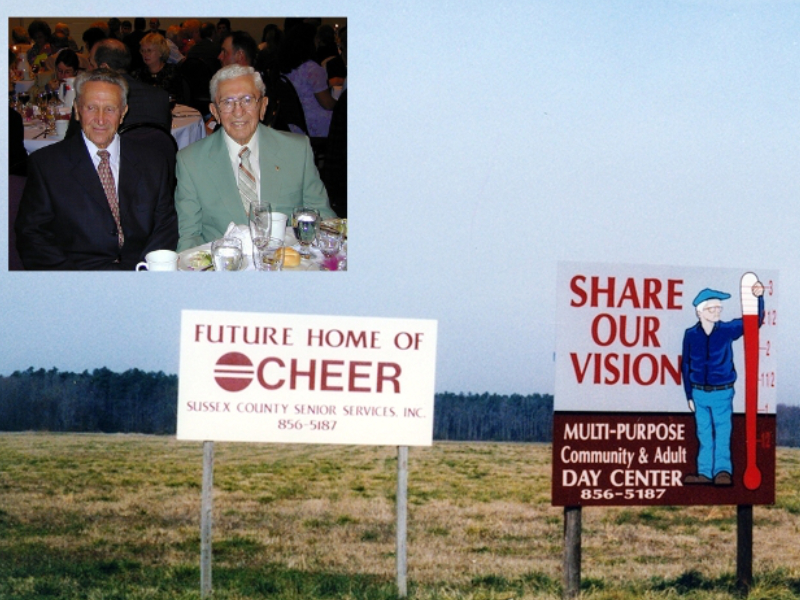
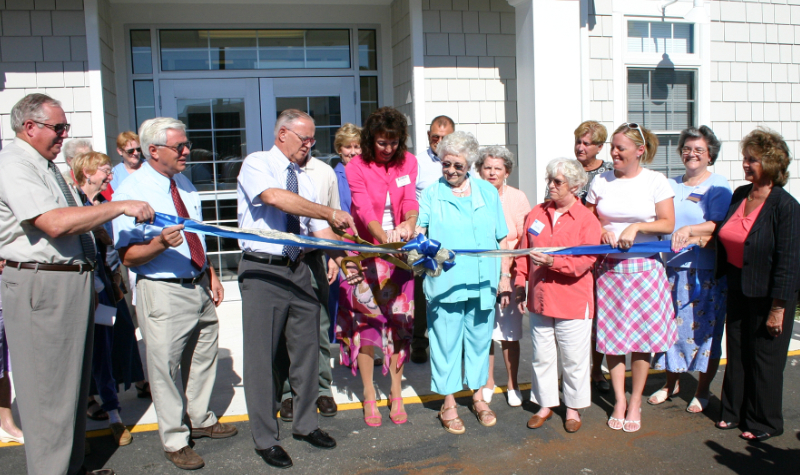
As the new millennium dawned, the Warren L. and Charles C. Allen, Jr. Multi-Purpose CHEER Community Center in Georgetown became the beating heart of the organization. What began as a bold $million+ dream in late 1999 became a daily reality in 2000.
Under the steadfast leadership of Executive Director Arlene Littleton, the Georgetown campus quickly matured into a “one-stop shop” for seniors. The Sand Hill Café became the local “water cooler” for retirees, while the Later Lifestyle Center (now the adult day program) provided professional care that allowed families to keep their loved ones at home longer.
2005: The Year of the Grand Openings
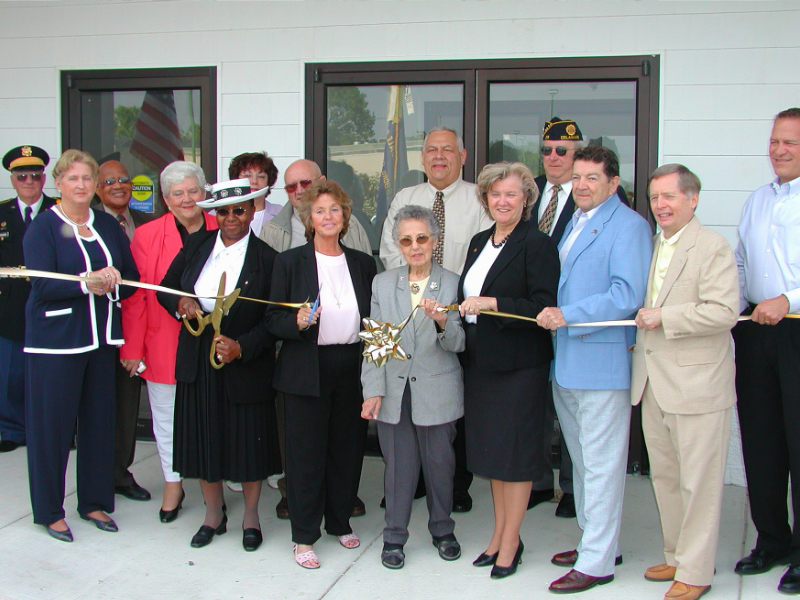
While Georgetown was the hub, the mid-2000s saw a massive expansion of CHEER’s physical footprint across the county. Two major milestones defined the year 2005:
Coastal Leisure Activity Center (Ocean View): After years of “wandering” through temporary locations like including a renovated restaurant, the seniors of Ocean View finally got a home of their own. The new center opened its doors next to a 55-and-over community, cementing CHEER’s presence in the coastal region.
Pelican Cove Senior Activity Center (Long Neck): Formerly housed in the Oak Orchard Methodist Church, the Long Neck center moved into a modern, accessible space at the Shoppes at Long Neck. This move allowed for expanded fitness programs and social events that were previously impossible in the church basement.
Beyond the Centers: Innovation and Residency
The 2000s were also about thinking “outside the building.” CHEER realized that to keep seniors independent, they needed more than just a place to visit—they needed a place to live.
Residential Growth: The CHEER Gateway East Senior Residential Village continued to grow. By the mid-2000s, the 60-unit apartment complex was fully integrated with the community center, creating a campus where a senior could live, eat, exercise, and receive medical support without ever leaving the property.
Expansion of Home Services: While “Meals on Wheels” remained the flagship, the decade saw a surge in CHEER Home Services. Licensed personal care assistants began providing everything from medication reminders to advanced light housekeeping, allowing Sussex County residents to age with dignity in their own homes.
The Silent Heroes
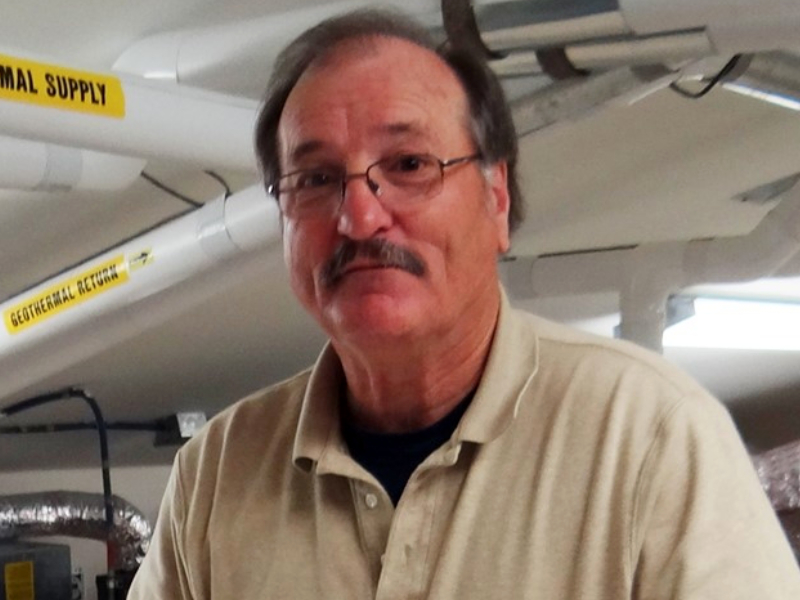
None of this growth would have been possible without the behind-the-scenes work of the facilities and nutrition teams. John Argo, the Facilities Manager during this era, was instrumental in maintaining the rapidly expanding campus and ensuring that the high-tech kitchen facilities could keep up with the demand of serving hundreds of thousands of meals annually.
Looking Ahead to 2010
As the decade drew to a close, CHEER remained a model for senior services nationwide. By December 2010, the organization had survived the Great Recession without cutting services, a testament to the community’s support and the Allen brothers’ early philanthropic boost. The decade ended with plans for even more growth, including the eventual relocation of the Slaughter Neck center and further residential expansions.