
History of CHEER
“There are no strangers here; only friends you haven’t met yet.”
(Attributed to William Butler Yeats)
THE EARLY YEARS
Before 1965, many older adults in Sussex County were isolated, lacking transportation, and undernourished. What is now called “food insecurity” was common. The Delaware Bureau of Aging was created in 1959 but it was not until the federal Older Americans Act of 1965 was passed that it had much in the way of resources. The Older Americans Act was the first federal initiative designed to address concerns about the lack of community-based social services for senior citizens. Meanwhile, citizens were searching for ways to help and programs were springing up without cross-county coordination.
In August 1970, the Delaware Bureau of Aging and the Georgetown City Council approved a new “telephone reassurance program” to make daily calls to the elderly. Mrs. Mabel Lambden organized a cadre of callers, aged 60 and over, to make the contacts. They earned $1.60 an hour. Georgetown was selected as the site because, for the first time as of May the next year, calls could be made from there without a toll charge to any subscriber in the county. (Remember paying for “long distance?”) Calls were made from the Georgetown City Hall between 5 and 10 p.m. to older persons who signed up for the service. If the subscriber did not answer, an emergency plan sent a designated neighbor, doctor, or clergyman to make a wellness check.
The program was wildly successful, doubling enrollees in eight weeks. In response, more callers were hired. Mrs. Lambden said that the clients looked forward to the five-minute calls. Sometimes it was their only contact with the outside world all day. The following year, Seaford City Council voted to set up a similar program in their town.
In 1971, the Sussex County Community Action committee received a $25,000 federal grant to finance home maintenance and repair for the elderly. Meanwhile, the Sussex County Council changed the rules so that citizens 65 and older would no longer have to stand in line at the courthouse to apply for the property tax exemption. Instead, applications would be mailed to the eligible. Ralph Sidwell, director of finance, said that the $178 spent on postage would cut down considerably on congestion in the courthouse hallways.
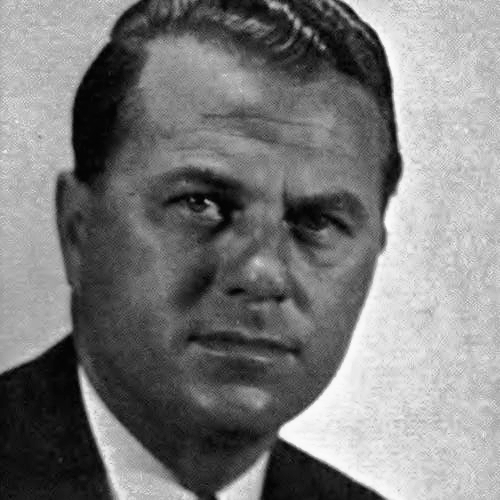
In July 1973, Governor Sherman W. Tribbitt signed a bill elevating the Bureau of Aging to Division status. It became a major force in the establishment and funding of senior centers.
All during the early 1970’s, the Geriatric Services of Delaware was expanding its reach and fundraising. The purpose of the agency was to help the elderly remain in their own homes. They hired aides to help with domestic and personal care and initiated Meals On Wheels. In the summer of 1970, in one of the more innovative programs, they rented a cottage in Rehoboth Beach and took groups of elderly persons there “for the vacation many of them had not had in many years.”
In 1974, Dorothy Keene, at the Methodist Manor House in Seaford, was already involved with feeding the elderly through a program called HOPE. It was decided in March that year to establish a new program called CHEER. (According to Rev. Milton Keene that stood for “Companionship, Hope, Eating, Experience, and Renewal.” This was disputed some years later by those who said it stood for “Congregated Homebound Elderly Eating Regularly.”)
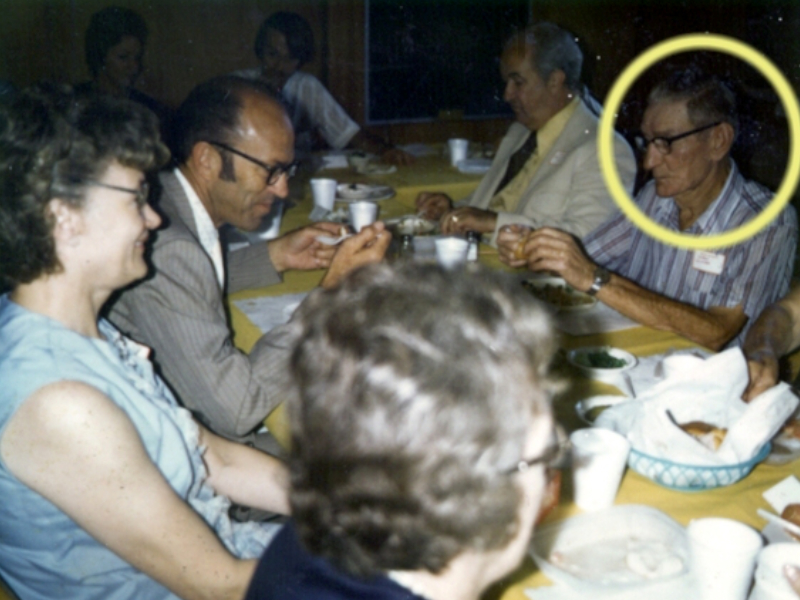
This was the beginning of the modern CHEER program. The following years would see not only increased interest, but also a move toward centralized services.