
Back Together and Better Than Ever: The Story of Georgetown CHEER
The Georgetown CHEER Center, a distinct entity from the organization’s corporate offices, has been a unique and popular hub for seniors since the late 1970s. For decades, it has served as a vital social experience, and after a period of change and challenge, its family is now back together and thriving in a new location.
The Early Years: A Social Experience
In the early 1990s, the Georgetown CHEER was already a lively place. In 1991, it offered a popular weekly Thursday morning breakfast for just $1.50, often featuring guest speakers like Georgetown town manager David Baird. In February 1993, a tea dance celebrating a new temporary location at Grace United Methodist Church drew over 300 people, despite nasty weather. “I couldn’t believe the response,” said then-director Dixie Carlisle. “If it hadn’t been raining, I don’t know where we would have put everybody.”
Carlisle emphasized that the center was not “adult day care,” but a place for social engagement with no membership dues. The focus was on enriching lives through activities like bridge instruction and exercise classes.
From Clowns to Community
The center’s spirit was exemplified by the CHEER-UP clown squad, which was recruited and trained at the Georgetown CHEER in 1994. As volunteer Ginny Gingrich, who also sewed the clown outfits, put it, “The best part is giving people a lift, bringing smiles to their faces.”

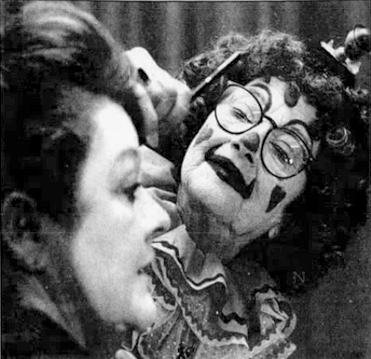
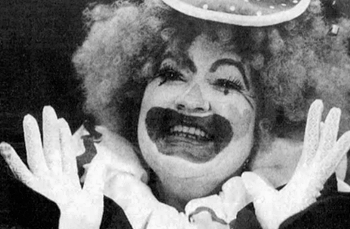
The center’s programming continued to evolve. In 1996, dance became a major theme with “Couples Only” classes, followed by American Social Dance lessons in 1998. In 1999, ceramics classes were added, showcasing the center’s commitment to diverse interests.
Beyond recreation, the Georgetown CHEER served as a community hub for important causes. In 2001, “Seniors Helping Seniors Day” saw high school students selling soup to help the low-income elderly with heating bills. In 2005, the center hosted a series of presentations on investment scams, with Delaware Securities Commissioner James B. Ropp warning members about “economic violence.”
Navigating Change and Embracing a New Home
The center continued to offer a variety of programs over the years, from trips to the Dover Mall in 2011 to hosting the Delaware Seashore Chapter of the American Needlepoint Guild in 2013. In March 2017, a celebration dinner was held to raise funds and awareness for the essential Meals on Wheels program.
However, a major challenge came in March 2020 with the coronavirus pandemic. As CEO Ken Bock announced, the center, like all others, would close temporarily to protect its members. “Our top priority at CHEER is the safety and well-being of each member,” he said.
After the pandemic-related closures were lifted, the Georgetown CHEER reopened, and its “family” was back together. A new need for more space led to a significant move from the State Service Center to the larger CHEER Community Center on Sand Hill Road. This relocation allowed the center to expand its activities and better serve its members.
The Georgetown CHEER Center has successfully navigated challenges and embraced a new chapter in the 21st century, ensuring that it remains a place where its members can continue to thrive and connect.